

Description
Scientific Name: Neocaridina davidi (Black/Carbon Rili variant) Common Names: Black Rili Shrimp, Carbon Rili Shrimp Origin: Selectively bred in captivity (Taiwan); they do not exist in this pattern in the wild.
Physical Appearance The Black Rili is prized for its modern, monochrome aesthetic.
-
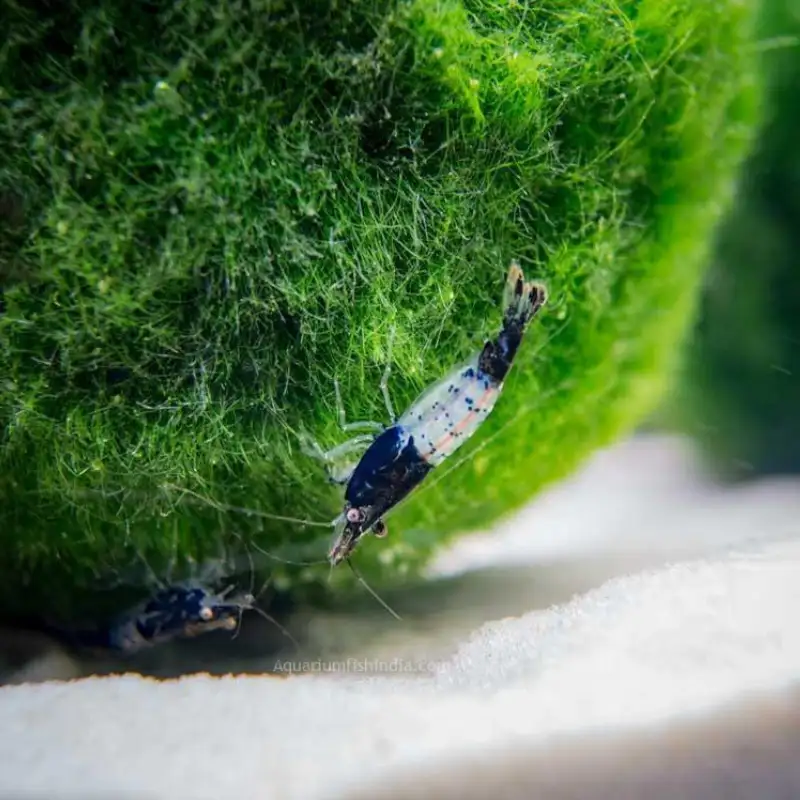
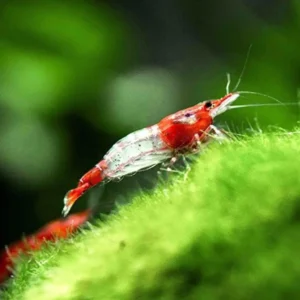
The “Rili” Pattern: The defining feature is the segmentation of color. The head (cephalothorax) and the tail fan are a solid, matte black (sometimes appearing dark blue or “carbon”). The middle segments of the body are completely transparent, looking like glass.
-
Color Variations: In some high-grade “Carbon” specimens, the clear middle section may have a slight blue tint or tiny black speckles.
-
Size: They are very small invertebrates, reaching a maximum size of 1 to 1.25 inches (2.5–3 cm).
-
Gender Differences: Females are typically larger, have a more curved underbelly, and exhibit more intense black coloration than the slimmer males.
Behavior and Temperament
-
The “Cleanup Crew”: They are tireless workers. They spend 24/7 grazing on algae, biofilm, and uneaten fish food found on plants and substrate.
-
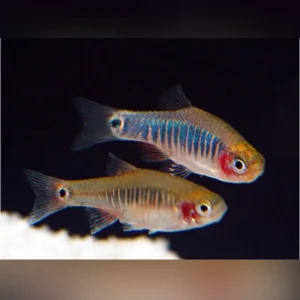
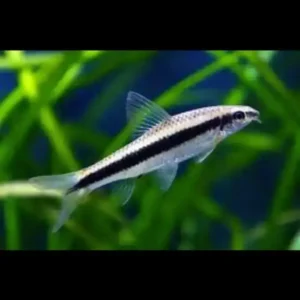
Peaceful: They are completely defenseless and non-aggressive. They coexist happily with other peaceful shrimp and very small fish (like Otocinclus or Chili Rasboras).
-
Breeding: They breed easily in freshwater. Females carry yellow or greenish eggs under their tails until they hatch into tiny, fully formed miniature shrimp.
Care and Habitat
-
Tank Size: A colony can thrive in tanks as small as 2.5 to 5 gallons.
-
Water Conditions: They are tough and adaptable. They prefer stable water with a pH of 6.5–7.5 and temperatures between 65°F and 78°F (18°C–25°C).
-
Substrate: They look best on light-colored sand (which makes their black pop) or in heavily planted tanks with dark soil.
-
Diet: While they eat tank debris, they should be fed shrimp pellets, algae wafers, and blanched vegetables (like spinach or zucchini) to ensure they get enough calcium for their shells.
-
Sensitivity: Like all shrimp, they are highly sensitive to Copper. Avoid any fish medications or plant fertilizers that contain copper.

Reviews
There are no reviews yet.