

Description
1. Origin & History
-
Scientific Name: Danio margaritatus (formerly Celestichthys margaritatus).
-
Discovery: Discovered in 2006 in the Hopong area east of Inle Lake, Myanmar.
-
Habitat: They live in shallow, permanent ponds created by spring water. These ponds are densely packed with aquatic plants, which is why they love planted tanks so much.
2. Appearance
-
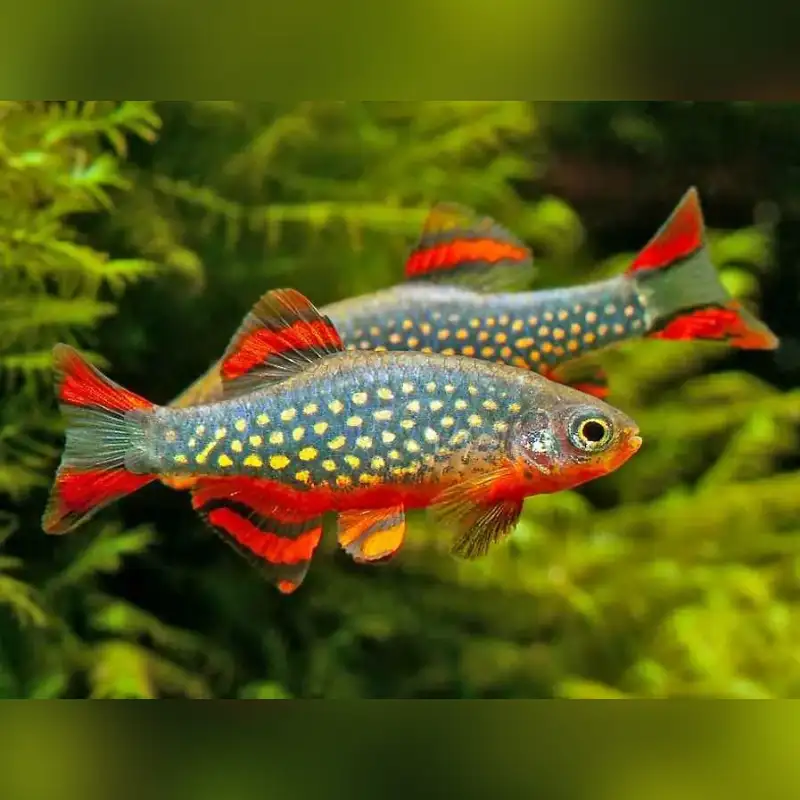
The “Galaxy” Pattern: Their body color is a dark metallic blue, covered in small, iridescent white or cream spots that resemble stars in a galaxy.
-
Fins: The fins are a striking bright orange or red, traversed by two black horizontal stripes.
-
Sexual Dimorphism:
-
Males: Slimmer, with a deep blue body and intense red fins.
-
Females: Rounder (especially when full of eggs), with a duller blue-green background and paler orange fins.
-
3. Temperament & Behavior
-
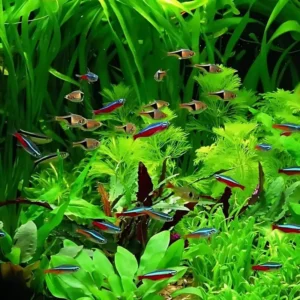
Shyness: They are naturally skittish. If kept in a sparsely planted tank, you will rarely see them. They need dense plants to feel safe enough to come out.
-
Social Structure: They are not a tight schooling fish but a shoaling one. Males will stake out small territories and display their fins to rivals (sparring), which is entertaining to watch.
-
Group Size: Keep at least 6 to 10 individuals. The more you have, the more confident they will be.
4. Aquarium Care
-
Tank Size: Minimum 10 gallons.
-
Water Conditions:
-
Temperature: They prefer cooler water, 20°C – 26°C (68°F – 78°F). High temperatures (above 27°C) shorten their lifespan.
-
pH: 6.5 – 7.5.
-
-
Decor: A heavily planted tank is non-negotiable for them to thrive. Floating plants are also excellent for dimming the light and encouraging them to swim higher.
5. Diet
-
Micro-predators: In the wild, they eat tiny invertebrates.
-
Food: Because of their tiny mouths, they need micro-foods. Crushed high-quality flakes, baby brine shrimp, daphnia, and micro-pellets are best. They are somewhat shy eaters and may not compete well with aggressive feeders.
6. Tank Mates
-
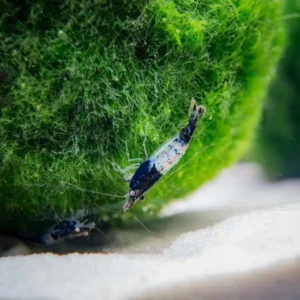
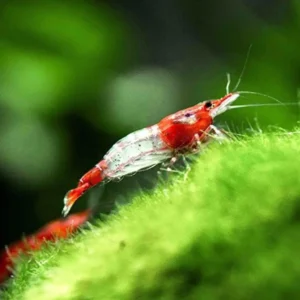
Best Friends: They do best with other shy, nano fish like Chili Rasboras, Emerald Dwarf Rasboras, Pygmy Corydoras, and Neocaridina Shrimp (Cherry Shrimp).
-
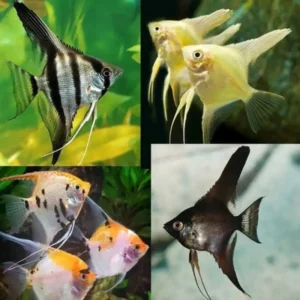
Avoid: Angelfish, large Gouramis, or boisterous Danios that will out-compete them for food.

Reviews
There are no reviews yet.