

Description
1. Origin & Genetics
-
Scientific Name: None (Hybrid).
-
Parents: It is a crossbreed, typically involving the Convict Cichlid (Amatitlania nigrofasciata) and the Blood Parrot.
-
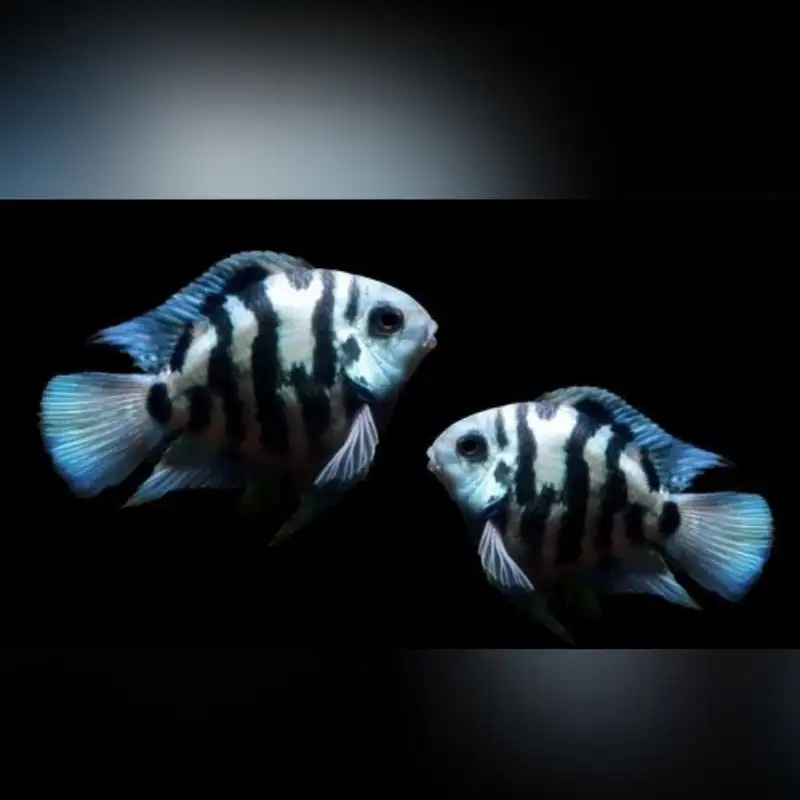
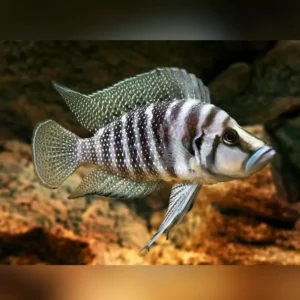
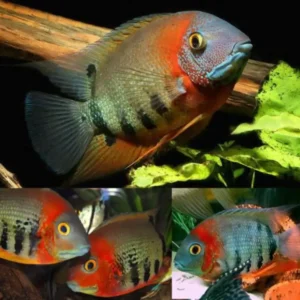
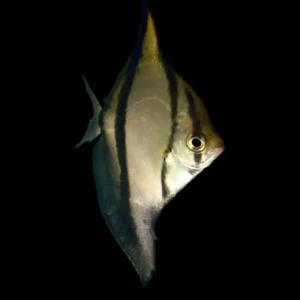
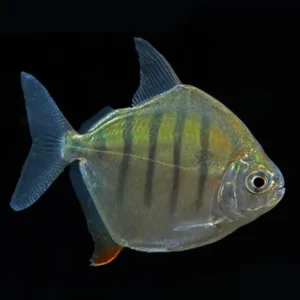
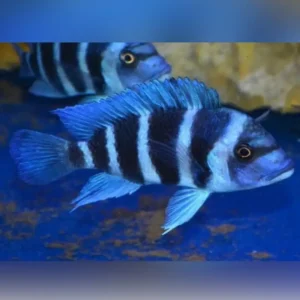
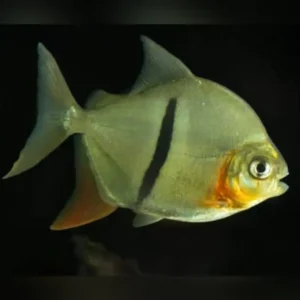
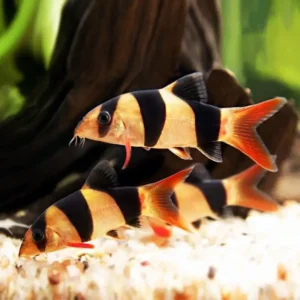
The “Convict” Influence: You can clearly see the Convict DNA in the black and white striping pattern.
-
The “Parrot” Influence: The round, stunted body shape comes from the Parrot side.
2. Appearance
-
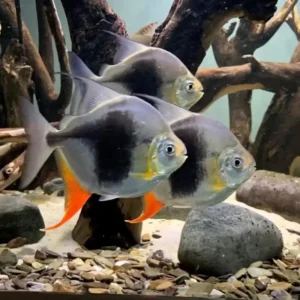
Color: They have a beautiful “platinum” or icy blue sheen. The black stripes are bold and high-contrast.
-
Shape: They have a “short body” or balloon shape. They look like a coin or a disc swimming through the water.
-
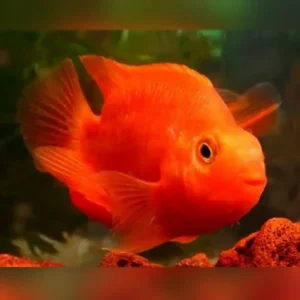
Size: They are much smaller than the Red Parrot you showed me earlier. They are considered “Short Body” fish and rarely exceed 4 inches.
3. Temperament (Small but Feisty)
-
Attitude: Do not let their cute size fool you—they have the personality of a Convict Cichlid! They can be quite territorial and aggressive, especially towards fish that enter their “cave.”
-
Activity: They are very active and curious. They will dig in the sand and rearrange the tank decor to their liking.
-
Tank Mates: Keep them with other semi-aggressive fish of similar size (like Firemouths or other Convicts). Do not keep them with slow, long-finned fish like Goldfish or Guppies, as they will nip fins.
4. Aquarium Care
-
Tank Size: Because they stay small, a 20–30 gallon tank is sufficient for a pair.
-
Decor: They love caves. You should provide terracotta pots, coconut shells, or rock structures. They will claim a cave as their home and defend it.
-
Substrate: Sand is best, as they love to dig pits.
5. Diet
-
Omnivores: They are greedy eaters.
-
Menu: High-quality cichlid pellets, flakes, and frozen foods (bloodworms, brine shrimp). They graze on everything.
6. Breeding (They are Fertile!)
-
Key Difference: Unlike the Red Parrot (where males are usually sterile), the Polar Blue Parrot is highly fertile.
-
Ease: They breed very easily—often called the “rabbits of the fish world.”
-
Parenting: They are excellent parents. The mom and dad will team up to fiercely protect their babies (fry) from any other fish in the tank.


Reviews
There are no reviews yet.